Although piles or haemorrhoids are rarely dangerous, they can cause many discomforts like itching, pain, burning, and even bleeding. Piles are veins in and around the anus and rectum –they are part of the body– only they become swollen due to many reasons, but the exact cause is usually unknown.
Your bowel movements can be a painful misery if you have piles. Thankfully, plenty of piles treatments and prevention are available in Singapore. The simple lifestyle changes to keep piles from interfering with your life are as follows.
Fiber up. To prevent piles, your stools should be easy to pass to avoid straining. Softening your stool needs a fiber-rich diet. Eat more fruits, vegetables, and whole grains.
2. Be physically active. Exercising is one of the main piles treatment. To stimulate the movement of your intestine, you need to exercise regularly. But remember specific exercises that may trigger piles such as weight lifting.
3. Stay hydrated. This may be the simplest piles treatment and prevention, but some people forget to do it. Drinking plenty of water can save you from having piles. It promotes healthy stools thus keeping you away from straining or constipation and can possibly free you from Singapore piles surgery.
4. Consider fiber supplements. If necessary, consult your doctor about taking fiber supplements. Fiber helps you avoid constipation which can trigger haemorrhoids.
5. Maintain a healthy weight. Obesity increases your risk of developing piles. This condition is highly common among obese individuals. Carrying excess weight adds pressure to your vein and blood vessels surrounding the colon and anus.
6. Don’t delay your urge. This may sound simple, yet many people fail to do so. Delaying your bowel movements makes your stool dry and firm which makes it harder to pass. Also, do not force your bowel if you don’t need to go yet. Both of these can prompt or exacerbate piles.
7. Avoid sitting on the toilet for a long period. Some people read magazines or browse their social media while sitting on the toilet. Prolonging your time on the toilet may strain your bowel movements. Aside from that, the seated position adds further stress on the anal blood vessels risking you to developing piles.
8. Avoid lifting heavyweights. Lifting heavy objects and holding your breath can cause straining and places added pressure on the anal canal.
9. Be cautious with laxatives. When you’re constipated laxatives can help pass your stools more easily. However, choose laxatives that work with your body, or ask your doctor which one suits you best.
(Image resource from verywellheatlh.com)
10. Avoid straining. The veins in your lower rectum receive more pressure when you do straining. Straining is also the common cause of painful and bleeding piles.
(Image resource from: workingoutloud.com)
Piles can provide discomfort and pain, sometimes it can be embarrassing too. Preventing it is still the best piles treatment option you can get, saving you from many hassle and piles surgery. The key here is to avoid placing pressure in the veins and blood vessels of your anus, rectum, and colon.
There has been a long-standing belief that haemorrhoids can cause or are a primary symptom of colorectal cancer. The reality is that this so-called link between the two conditions is just a myth. While it is true that colorectal cancer and haemorrhoids share similar symptoms, they are two very different conditions. The best way to distinguish between them is to visit your colorectal surgeon.
Generally, haemorrhoids and colorectal cancer share the following symptoms:
Rectal bleeding – Blood may be present during a bowel movement or on tissue paper after wiping. The key to differentiating whether rectal bleeding is a sign of haemorrhoids or something more serious is the color of the blood. Haemorrhoids usually cause bright red blood, an indication that bleeding occurred in the lower digestive tract (rectum or colon). Darker blood may indicate bleeding in the small intestine or stomach caused by polyps or tumors.
Anal and rectal itching – Both haemorrhoids and colorectal cancer cause itching. This symptom can be attributed to a combination of mucus and stool that irritates the sensitive skin in the anal and rectal regions. Itchiness is noticeably worse during bowel movements.
Lump around the anus – While a palpable lump in the anal opening mostly indicates thrombosed haemorrhoids, it can also be a sign of anal or colorectal cancer.
Rectal tenesmus – Both conditions also share this symptom, in which the patient experiences a feeling of incomplete bowel emptying or a frequent need to pass stool.
Changes in bowel habits – Each individual has a consistency and frequency in terms of his or her bowel habits. Any noticeable change in bowel movements may indicate a serious digestive ailment, including cancer. The same is true for any changes in the stool, specifically if the person passes narrow or tarry stools.
Recurring abdominal discomfort – Frequently experiencing cramps and other discomforts such as gas and bloating can also be a sign of cancer. Unexplained vomiting and nausea should also be checked by a doctor immediately.
Unexplained weight loss – In around half of the cases of colorectal cancer, the patients experiences unexplained weight loss.
Fatigue or feeling weak – Colorectal cancer can cause bleeding in the gastrointestinal tract, which, in turn, causes fatigue, anemia and weakness.
Rectal pain – Very rarely, colorectal cancer causes rectal pain.
How are they treated?
Haemorrhoids are mostly asymptomatic and resolve by themselves without any treatment. For serious cases, piles treatment can be done through diet and lifestyle changes, and medications. Surgery is recommended if conservative treatments are insufficient to lessen or completely alleviate the symptoms of haemorrhoids. or at the very least bring back the haemorrhoids down to their original size and position. Piles Surgery to remove haemorrhoids are usually a last-resort option. On the other hand, surgery is the first-line treatment for colorectal cancer, especially during the early stages. The procedure is done preferably through the minimally invasive (keyhole) technique, in which the colorectal surgeon removes tumors through small incisions on the abdomen. Unlike traditional open surgery, this method poses less pain and scarring, and faster recovery for the patient. Surgery can be combined with chemotherapy and radiotherapy to address later-stage colorectal cancer.
When you should see your doctor
Haemorrhoids are the top cause of rectal bleeding. However, at the very first sight of rectal bleeding, whether due to haemorrhoids or not, a trip to the doctor or colorectal surgeon is necessary. During such appointments, the doctor will usually perform a family and medical history assessment, and physical and rectal exams. If colorectal cancer is suspected, a colonoscopy may be recommended. This is a diagnostic exam which involves inserting a thin instrument attached to a camera through the uterus and into the gastrointestinal tract to check for polyps or tumors.
A prompt diagnosis is essential to detect more serious ailments and receive timely treatment. If rectal bleeding is accompanied by fainting, lightheadedness and dizziness, medical attention should be sought immediately.
Haemorrhoids are common and mostly harmless, and mostly caused by excessive pressure in the lower digestive regions. Meanwhile, colorectal cancer is life-threatening if unaddressed and caused by abnormality in the cells in the colon. Both share some similar symptoms, but are very different in terms of effect and fatality. To be safe, at the very onset of symptoms, a visit to the colorectal surgeon is essential.
Despite being a common and harmless condition, haemorrhoids or piles remain a taboo subject, often causing much embarrassment to the one afflicted. People simply don’t want to talk about it! This explains why such a normal and very easily treatable condition is surrounded by several myths and misconceptions that prevent people from getting appropriate piles treatment in Singapore.
Here are 10 of the most common myths about piles:
Myth #1: Everyone is equally at risk of haemorrhoids.
Haemorrhoids are common, but this condition can affect certain groups of people more than others. Piles are typically caused by excessive pressure and straining. This being said, those who overstrain during bowel movements and stay on the toilet too long are prone to developing haemorrhoids. The elderly, pregnant women, obese people, and those who have chronic diarrhea or constipation are also at higher risk.
Myth #2: Only elderly people get piles.
Past 50 years old, the supporting tissues in the rectum begin to naturally weaken and stretch, making them more susceptible to haemorrhoids. However, haemorrhoids can affect anyone regardless of age, even infants. A sedentary lifestyle, fiber-poor diet, being obese or pregnant, or simply sitting on the toilet for a long time can increase your chances of developing piles.
Myth #3: Excessive cycling may cause piles disease.
There’s a misconception that sitting on a hard bicycle saddle for a prolonged period can cause piles. On the contrary, cycling is an ideal exercise to strengthen the pelvic floor, and can even help prevent or address haemorrhoids during their early stages.
Myth #4: Spicy food causes haemorrhoids.
Haemorrhoids are caused by overstraining in the veins in the anus or rectum, and are not a result of the body’s metabolism. However, there are types of food that can cause diarrhea and constipation, which in turn cause overstraining during bowel movements. These include low-fiber and processed food.
Myth #5: What you eat doesn’t affect you.
As previously mentioned, chronic diarrhea and constipation can cause overstraining during bowel movements, which lead to haemorrhoids. Staying hydrated and adopting a high-fiber diet helps regulate a smooth and healthy bowel movement, and prevents haemorrhoids from developing.
Myth #6: Cold surfaces cause haemorrhoids.
Similar to cycling on a hard bicycle saddle, there’s no scientific evidence that sitting on cold surfaces can cause or put you at a higher risk for haemorrhoids. In fact, sitting on cold packs or applying cold compresses on your bottom can help relieve pain and swelling, which are primary symptoms of haemorrhoids.
Myth #7: Exercise should be avoided if you have haemorrhoids.
Unlike other myths, this one is very partially true. Exercises that involve prolonged heavy lifting with poor or improper technique can increase the risk or worsen existing piles. Apart from these, other forms of exercise prevent unhealthy weight gain and regulate digestion to prevent constipation, thereby preventing haemorrhoids.
Myth #8: Treatment for haemorrhoids requires surgery.
Most cases of haemorrhoids do not cause any symptoms and go away on their own without the patient even knowing. Commonly, piles treatment in Singapore only involves dietary and lifestyle changes, as well as home remedies like topical ointments and sitz baths to relieve symptoms. For more serious cases where there is persistent pain and bleeding, piles surgery may be necessary. Available options for piles surgery in Singapore include rubber band ligation, sclerotherapy, electrotherapy and haemorrhoidectomy.
Myth #9: Haemorrhoids increase the risk of colon cancer.
There’s no evidence or study that proves there’s a link between haemorrhoids and colon cancer. Both conditions share similar symptoms, however, with rectal bleeding being the most alarming. This is why at the earliest onslaught of symptoms, patients are advised to seek medical attention immediately.
Myth #10: Piles are always associated with bleeding.
Not all haemorrhoids cause rectal bleeding in the same way that rectal bleeding is not always caused by haemorrhoids. In many cases, haemorrhoids only cause itchy or painful lumps or swellings in and around the anus.
As they say, “You are what you eat.” The kinds of food that you eat have significant effects on your health, and this is particularly true when it comes to haemorrhoids.
Haemorrhoids, or piles, refer to swollen veins in the anus and rectum caused by increased pressure in the lower rectal region. They are usually caused by overstraining during bowel movements or sitting on the toilet for prolonged periods, but they can also develop or be aggravated by chronic diarrhea and constipation.
This is where food sources become more important. To prevent haemorrhoids, your diet should include those that facilitate smooth and regular bowel movements to avoid diarrhea and constipation. The easiest and most effective way for you to avoid piles is by adopting a high-fiber diet.
There are two main forms of fiber you need:
Soluble vs. Insoluble fibers
Soluble, which dissolves in water, making stool softer and easier to pass.
Insoluble, which doesn’t dissolve in water, but bulks up the stool and helps push food through and out the gastrointestinal tract.
In terms of your choices, the best food types to avoid haemorrhoids include:
Legumes – These seeds from the pea family (Fabaceae) are rich in both soluble and insoluble fiber. Studies show that a single cup of lentils contain 16g of fiber, which already makes up half of the 21-38g of recommended fiber intake per day. Legumes include beans, peas, peanuts, lentils, soybeans and chickpeas.
Various of legumes
Whole grains – Whole grains, which include barley, oats, corn, rye and brown rice, are rich in insoluble fiber. Oatmeal is especially high in beta-glucan, which stimulates the prebiotic activities of the gut microbiome.
Fruits and vegetables – Cruciferous vegetables, which include broccoli, cabbage, cauliflower, kale, Brussels sprout, turnip and radish, are excellent types of roughage loaded with insoluble fiber. Cucumber, celery and tomato are good options as well. Fruits, particularly apple, banana, grapes, berries and prunes, are packed with antioxidants and nutrients that also help regulate bowel movements.
Water – Drinking up to 6 t 8 8-ounce glasses (or up to 2L) of water per day will keep you hydrated throughout the day, and help prevent constipation. Fruit juices like prune and apple juice work well, too.
Aside from knowing what you should eat to prevent and relieve the symptoms of haemorrhoids, it also pays to know the types of food you should avoid. These include:
Dairy products such as milk and cheese
Red meat such as beef, pork and lamb Processed meat such as hot dog, sausage and bacon
Fried and salty food
Other processed food such as fast food and frozen food
Additionally, alcohol and caffeinated beverages should be avoided as these can aggravate the symptoms of piles.
Most haemorrhoids are asymptomatic, and would go away on their own without any treatment. Others are more serious and can cause persistent pain and discomfort. In such cases, less conservative forms of treatment such as piles surgery may be recommended. Piles surgery in Singapore may involve haemorrhoidectomy, the procedure to surgically remove haemorrhoids, or less-invasive techniques such as rubber band ligation, haemorrhoid stapling, sclerotherapy and electrotherapy.
Piles is another term of Haemorrhoids. These are abnormal and swollen formation of blood vessels in the anus or lower rectum. Sizes may vary and can develop internally and externally. Lifting heavy weights, straining when passing a stool, pregnancy, chronic diarrhea or constipation and other factors can trigger the condition.
In some cases, piles symptoms can be silent, some may not even aware that they have one, but other patients may experience a feeling of irritation or itchiness around the anal area, it can also deliver pain, discomfort, and even bleeding.
Why do you need to see a Piles Surgeon?
Visiting a Piles or Colorectal surgeon will not help you with Haemorrhoid diagnosis alone, but they can also determine if there are other warning signs or symptoms of digestive disease. Necessary treatments and medications for these conditions will be discussed by the surgeon. If there are potential risks of developing colorectal cancer, preventive measures can be recommended by the Piles surgeon to save you from acquiring it.
The Top 10 Piles Surgeon in Singapore can help you obtain the best treatment option for any colorectal concerns. Learn about them from the list below:
Dr Ho Kok Sun (Ho Kok Sun Colorectal)
Dr Ho Kok Sun – HKS Colorectal
Dr Ho Kok Sun is one of the best colorectal surgeons in Singapore. He is renowned for his brilliance in the medical field accompanied with the range of achievements and titles. From the time he has accomplished his training, Dr Ho has been subspecializing in colorectal surgery.
TITLES
Dr Ho Kok Sun is a Consultant Colorectal Surgeon in Singapore. He is an accredited Immediate President of the College of Surgeons Singapore, Immediate Past President of the ASEAN Society of Colorectal Surgeons and the Society of Colorectal Surgeons (Singapore), a founding member of the Eurasian Colorectal Technologies Association and an organising Chairman of 2 Major International Colorectal Conferences. Moreover, he is the former vice president of the Singapore-China Association for the Advancement of Science and Technology and the list goes on and on.
ACHIEVEMENTS
Dr Ho finished his Bachelor and Master of Medicine in Surgery degree at the National University of Singapore. Aside from that, he became a fellow of the Royal College of Surgeons of Edinburgh. He fulfilled his general surgery training and then later went to Cleveland Clinic Florida in 2002 for his fellowship. In the Robotic Colorectal Surgery, Dr Ho is one of the very few surgeons in Singapore who did it.
SERVICES OFFERED
Ho Kok Sun Colorectal Pte Ltd offers the following services:
“Dr Ho and everyone in his clinic are simply the best. I first visited Dr Ho’s clinic for a second opinion. Unlike other specialists/doctors that I consulted, Dr Ho strongly advised against unnecessary surgery. Under the genuine care of him and his staff, I went through a perfectly smooth colonoscopy. During all my visits/ follow up consultations, Dr Ho was always extremely approachable, patient and informative. He was also so kind as to encourage calls if anything were to happen in the days after the consultation. Truly appreciate Dr Ho and his team for making patients feel so cared for and comfortable. I would highly recommend his clinic to everyone :-)”
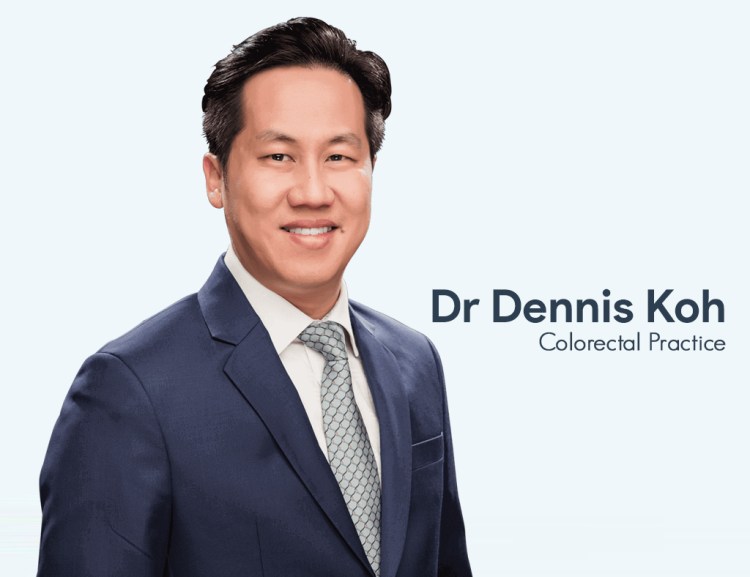
Dr Dennis Koh (Colorectal Practice)
Dr Dennis Koh – Colorectal Practice
Dr Dennis Koh is a trained general surgeon, his sub-specialty training is Colorectal surgery. His various experiences for several colon and rectal surgeries are both open and minimally invasive. Dr Koh believes that each patient has unique cases and situations, on the note, the surgery for each individual should be addressed based on its distinctive occurrences with minimal effect to the patient’s lifestyle. He is also knowledgeable in proctology and pelvic floor disorders, which include haemorrhoids (piles), anal fistula, anal fissures, anal abscesses, functional constipation and faecal incontinence.
TITLES
Dr Dennis Koh is a Ministry of Health accredited colorectal surgeon. Currently, his is the Medical Director at Colorectal Practice. Apart from establishing his own private practice, he is the former consultant surgeon in the Department of Colorectal Surgery in the Singapore General Hospital, one of the most progressive and comprehensive colorectal units in Singapore.
ACHIEVEMENTS
Dr Dennis Koh acquired his medical degrees in University of Nottingham, UK. Prior to this, he also took a year off and attained a Bachelor in Medical Science. He finished his Master of Medicine in Surgery in National University in Singapore. After that, he then completed his advance surgical training with Singapore General Hospital and recognized as a Fellow of the Royal College of Surgeons of Edinburgh in 2009. In the same year, he became the Fellow of the Academy of Medicine (Surgery) of Singapore. An award of SingHealth Health Manpower Development Plan (HMDP) Award was given to him.
SERVICES OFFERED
Colorectal Practice provides customized services for each individual, which includes:
Colorectal Cancer treatment
Colonoscopy
Rectal Cancer treatment
Piles Surgery / Treatment
Hernia Repair
Diverticular Disease Treatment
Inflammatory Bowel Disease (IBD) Treatment
Minimally Invasive Colorectal Surgery
Appendix Surgery
Surgery for Anal Diseases
Management of Constipation
Faecal Incontinence Treatment
CLINIC DETAILS
Address: 3 Mount Elizabeth, #12-14 Mount Elizabeth Medical Centre, Singapore 228510
“My life is now back to normal. I am able to do things which I couldn’t when I was having colorectal issues. Thanks to Dr. Dennis Koh who has completely solved my health issues with pleasent consulting and operating. He has vast experience in treating colorectal issues as well as treating patients pleasently with confidence who undergo mental pressure regarding colorectal problems.”
Dr Kam Ming Hian (Kam Colorectal)
Dr Kam Ming Hian is a multi-awarded colorectal surgeon in Singapore due to his service excellence for his career. His passion lies in minimally invasive colorectal surgery, including laparoscopic colorectal cancer surgery, single incision laparoscopic surgery, and robotic-assisted surgery as well. He was accredited in the few surgeons in Singapore to perform Robotic Colorectal Surgery. Ever since he conducted training for advanced laparoscopic workshops to both local and international surgeons. His presence has also been demanded to speak at several international conferences on topics related to Laparoscopic and Robotic Surgery.
TITLES
Dr Kam Ming Hian is a Senior Consultant, Colorectal Surgeon. He graduated at the National University of Singapore and obtained his Master of Medicine in Surgery. After he has completed his training, he was admitted as a Fellow of the Royal College of Surgeons, Edinburgh, and a Fellow of the Academy of Medicine, Singapore. Also, he was the former director of Robotics and Minimally Invasive Surgery at the Department of Colorectal Surgery, Singapore General Hospital. During his public service year was appointed as the Deputy Director, Surgical Skills and Simulation Centre, SingHealth-Duke Graduate Medical School.
ACHIEVEMENTS
Dr Kam experienced an advance training in the surgical treatment of Inflammatory Bowel Disease in Edinburgh UK. SingHealth HMDP award was conferred to him to develop his skills in advanced laparoscopic colorectal surgery at the Royal Brisbane Hospital. Moreover, he was part of developing the skills and training curriculum for the next generation of surgeons. With the use of high-fidelity simulation machines, he conducted regular endoscopy training courses. Dr Kam has also published numerous research papers in local and international peer-reviewed journals and he is a contributory in writing academic chapters in surgical textbooks.
SERVICES OFFERED
Kam Colorectal Centre offers the following services:
Endoscopy
Colonoscopy
OGD / Gastroscopy Diagnostic
Anal Surgery
Appendix Surgery
Colon & Rectum Surgery
Excision Biopsy
Hernia Repairs
CLINIC DETAILS
Address: Farrer Park Medical Centre 1 Farrer Park Station Road #14-16 Connexion, Singapore 217562
“Dr Kam is a very professional, detailed and patient doctor”
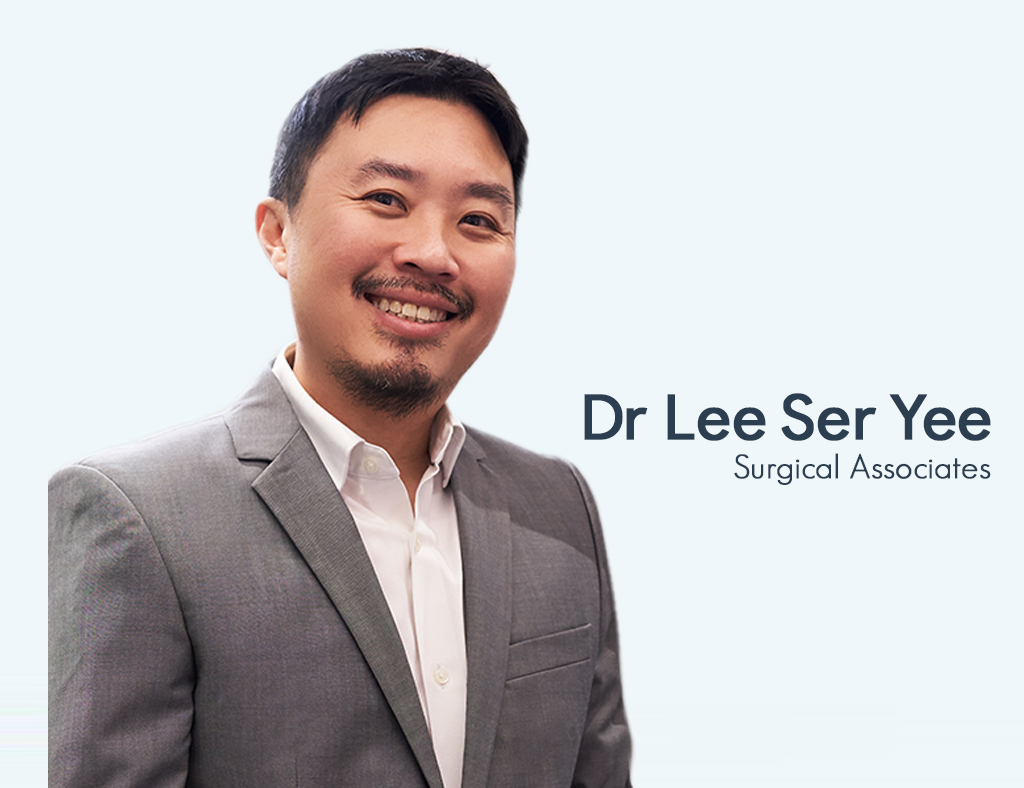
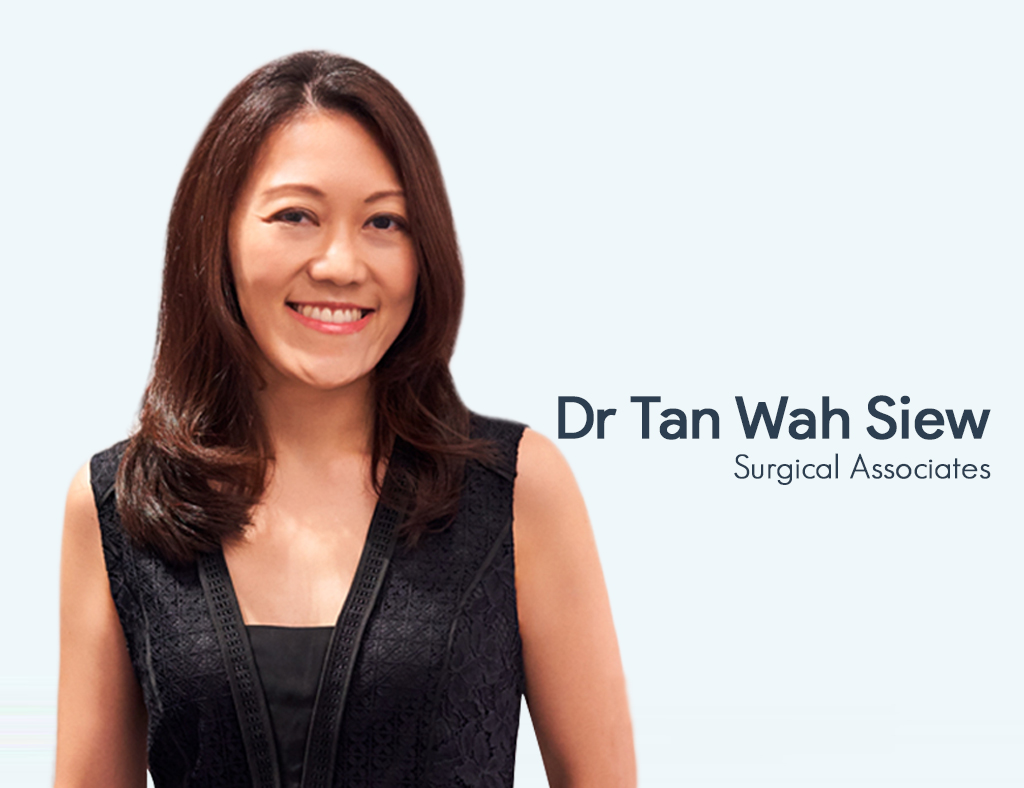
Dr Lee Ser Yee & Dr Tan Wah Siew (Surgical Associates)
Dr Lee Ser Yee – Surgical AssociatesDr Tan Wah Siew – Surgical Associates
Dr Lee Ser Yee and Dr Tan Wah Siew spearhead Surgical Associates, which specializes in minimally invasive procedures to address colorectal and hepatopancreatobiliary conditions. The clinic is especially known for its comprehensive yet personalized care management for metastatic colorectal and liver cancer. Drs Lee and Tan both obtained their surgical qualifications at the Singapore General Hospital.
ABOUT DR LEE SER YEE
TITLES
Dr Lee Ser Yee is the senior consultant hepatopancreatobiliary surgeon and liver transplant surgeon at Surgical Associates. He obtained his general medical training from the National University of Singapore, and completed surgical trainings at the Singapore General Hospital and Singapore’s National Cancer Centre. Dr Lee specializes in the treatment of liver, pancreas and gallbladder diseases through laparoscopic and robotic procedures.
ACHIEVEMENTS
Dr Lee is a member of the Singapore HPB Association, Royal College of Surgeons of Edinburgh, Singapore Robotic Surgery Society and International Laparoscopic Liver Society. He was also the past director of both the laparoscopic program and surgical skills training program at the SingHealth Surgical Skills Centre. Through the years, Dr Lee has obtained numerous accreditations and fellowships, including from the Memorial Sloan Kettering Cancer Center and the New York Presbyterian Hospital-Weill Cornell Medical Center.
ABOUT DR TAN WAH SIEW
TITLES
Dr Tan Wah Siew is the senior consultant colorectal surgeon at Surgical Associates, specializing in the treatment of colorectal cancers and inflammatory bowel diseases through minimally invasive and robotic colorectal surgery. She obtained her medical degree at the National University of Singapore, and completed advanced trainings for general and colorectal surgery at the Singapore General Hospital.
ACHIEVEMENTS
Dr Tan is recognized as the first female consultant colorectal surgeon at the Singapore General Hospital, also being one of the first female surgeons that is qualified to perform robotic colorectal surgery. She is credited as the surgeon who performed the first robotic lateral pelvic lymph node dissection and first robotic pelvic exenteration at SGH.
SERVICES OFFERED
Surgical Associates offers the following services:
Hepatopancreatobiliary surgery
Colorectal surgery
General surgery
Endoscopy
Colonoscopy
Cancer screening
CLINIC DETAILS
Address: Mount Elizabeth Medical Centre 3 Mount Elizabeth, Suite #08-07, Singapore 228510
Dr Chew Min Hoe’s clinical practice focuses on General and Colorectal Surgery, with particular interests in colorectal cancer, advanced pelvic tumours, hereditary colorectal conditions, and perianal surgery. Actively engaged in education and research, Dr Chew has authored over 100 peer-reviewed publications.
TITLES
Dr Chew Min Hoe served as the President of the Society of Colorectal Surgeons (Singapore) from 2022 to 2023. Prior to that, he was the Founding Head of the Department of Surgery at Sengkang General Hospital (SKH) from July 2016 to June 2020, and was subsequently appointed Chairman of the Division of Surgery in July 2020.
Promoted to Colonel (NS) (Dr) in the Singapore Armed Forces in 2024
SingHealth Vice Chairman of Faculty Affairs and Professional Development of the Academic Medicine Council for Surgery
SKH Director of the Operating Theatre Management Unit and Endoscopy Centre
Member of the EXCO committee of the Society of Colorectal Surgeons in 2012-2015
Awarded the Public Administration Medal (Bronze) at the National Day Awards in 2020
Active in National Service and Appointed as Commanding Officer of 3rd Combat Support Hospital in 2017
ACHIEVEMENTS
Dr Chew Min Hoe has dedicated more than 20 years of service to the public healthcare sector and was the Founding Head of the Department of Surgery at Sengkang General Hospital (SKH).
Dr Chew Min Hoe graduated from the National University of Singapore (NUS) in 2001. He obtained his Master of Medicine (Surgery) from NUS in 2006 and became a Fellow of the Royal College of Surgeons of Edinburgh in 2010.
He was awarded the SingHealth Human Manpower Development Plan (HMDP) Award to undergo subspecialty training in complex pelvic surgery, completing his Fellowship at the Royal Prince Alfred Hospital in Sydney, Australia (2011–2012).
Dr Chew manages a comprehensive range of benign and malignant colorectal conditions and is skilled in minimally invasive surgical techniques. His expertise includes the management of locally advanced pelvic cancers and genetic hereditary colorectal disorders.
SERVICES OFFERED
Dr Chew Min Hoe offers the following treatment services:
Colorectal cancer
Endoscopy
Anal abscess
Appendicitis
Diverticular diseases
Hernia
Piles/Haemorrhoids
Colorectal surgery
CLINIC DETAILS
Address: Orchard: 3 Mount Elizabeth #16-09, Mount Elizabeth Medical Centre, Singapore 228510
“I recently had both an endoscopy and colonoscopy with Dr. Chew Min Hoe due to issues with bloating. From the very first consultation, he was extremely detailed and meticulous — he took the time to ask about my lifestyle, diet, and even the supplements I take, down to how I consume them. What impressed me most was how carefully he considered all aspects of my health as a female patient, including checking areas like thyroid function and other factors that might be overlooked.
On the day of the procedure, Dr. Chew and his team were professional, efficient, and reassuring, which really helped ease my nerves. After the procedure, he personally went through my blood test results line by line, pointing out what I was doing right and highlighting areas I should pay more attention to. I truly appreciated the level of care and thoroughness.
The team was also very efficient in assisting me with the necessary documents for insurance purposes. They were quick to respond whenever I had questions, and their reminders leading up to the procedure were timely and helpful in making sure I was fully prepared.
Overall, I felt well cared for from start to finish and would highly recommend Dr. Chew to anyone looking for a trusted gastro specialist.”
Haemorrhoids, or piles, are swollen blood vessels that develop in or on the anus. They are rarely a cause for concern, with most asymptomatic and clearing away by themselves. Haemorrhoids that produce noticeable symptoms, however, may require less conservative treatment for piles such as surgery.
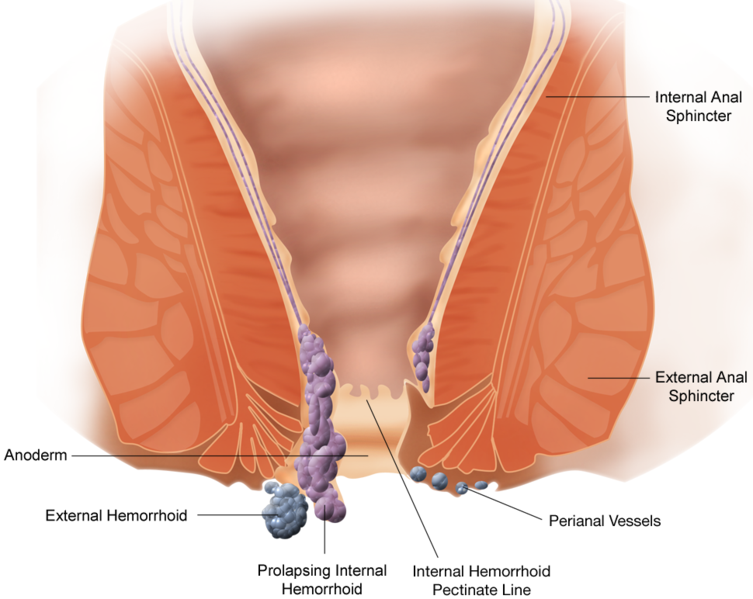
Haemorrhoids can be classified into two main groups: internal and external.
Internal Haemorrhoids
Internal haemorrhoids cannot be seen or felt as they form inside the rectum. Their most common symptom is painless rectal bleeding during bowel movements. Internal haemorrhoids can further be classed into different grades, based on the extent of their prolapse:
Grade I – Haemorrhoids are small and form inside the anal lining. They are not prolapsed, but may cause rectal bleeding.
Grade II – Haemorrhoids are larger than grade I type but still not prolapsed. They may be pushed out of the anus during a bowel movement, but will go back inside unaided afterwards.
Grade III – Also called prolapsed haemorrhoids, grade III type piles protrude outside the anus and can be felt. However, they can be manually pushed back inside the anus.
Grade IV – Haemorrhoids protrude outside the anus and cannot be pushed back in unless with piles surgery.
External Haemorrhoids
External haemorrhoids form outside beneath the skin of the anus. Unlike their internal counterparts, external piles can be very itchy and painful, especially if they develop blood clots (thrombosis). Thrombosed haemorrhoids are often a medical emergency that requires immediate treatment.
Causes of Piles
The exact cause of piles remains unclear, but it has been found that increased pressure in the rectum, as caused by activities such as overstraining during bowel movements, heavy lifting and chronic constipation or diarrhea, is the main contributor in most cases. Other perceived causes and risk factors of haemorrhoids include:
Age
Obesity or being overweight
Prolonged standing or sitting
Pregnancy
Low-fiber diet
Anal intercourse
Colon cancer
Inflammatory bowel disease
Spinal cord injury
Treatment for Piles
Most haemorrhoids are mild and go away on their own without treatment. Some, however, are more serious and require more active and aggressive forms of piles treatmentto effectively manage symptoms and improve quality of life.
Dietary modifications
Too much straining during bowel movements caused by constipation is one of the main causes of haemorrhoids. Adopting a diet rich in fiber and fluids can help soften stool and regulate bowel movements. Such diet includes plenty of fruits and vegetables, whole grains, beans and lentils, and nuts and seeds. Alcoholic and caffeinated beverages should be avoided.
Lifestyle changes
Engaging in regular physical activities and exercises can help maintain a healthy weight and prevent obesity, which in turn increases the risk for haemorrhoids. Exercising also has the added benefit of strengthening the gastrointestinal muscles to facilitate smooth digestion and bowel movements.
Sitz bath
A sitz bath is done by sitting in shallow, warm water and soaking the genital and anal areas. Doing so can help relieve itchiness and inflammation caused by haemorrhoids. Apart from this, a sitz bath is also done to address anal fissures and fistulas, menstrual cramps, pelvic inflammatory diseases and other infections. Epsom salt and witch hazel may be added to the bath to increase its soothing effects.
Medications
Several over-the-counter medicines and ointments are specifically formulated to manage the symptoms of haemorrhoids. Hydrocortisone creams and corticosteroids may be prescribed to reduce pain and inflammation. However, steroid creams can thin the skin, and so shouldn’t be used for more than 7 days. Laxatives may also be prescribed to treat constipation.
Non-surgical treatments
For bleeding and painful haemorrhoids, the doctor or piles surgeon may recommend non-invasive treatment methods, which can be done without anesthesia. These include:
Rubber band ligation – A rubber band is placed around the base of the haemorrhoid, cutting off its blood circulation and causing it to eventually wither and fall off.
Sclerotherapy – A special solution is injected into the haemorrhoid to shrink it.
Electrotherapy – A low-level electric current is delivered directly into the haemorrhoid to shrink it.
Coagulation – Laser or infrared light is applied to the haemorrhoid to block off its blood circulation, causing it to shrink.
Surgical treatments
For larger and recurring haemorrhoids that cause intense pain and persistent bleeding, piles surgery may be the most ideal solution. The main procedures are:
Haemorrhoidectomy – Haemorrhoids are surgically removed. The procedure is done under sedation and local or general anesthesia.
Stapled haemorrhoidopexy – Prolapsed haemorrhoids are fixed back into position inside the rectum or anus using surgical staples. These are also used to cut off blood supply to the haemorrhoids and shrink them.
Haemorrhoidal artery ligation – Haemorrhoidal arteries are stitched closed to prevent blood circulation, allowing the piles to shrink.
The choice oftreatment for pilesmainly depends on the severity of symptoms presented. A visit to the doctor can help you plan out the best treatment plan for you to not only treat existing haemorrhoids, but also to prevent new ones from developing and recurring.






 Ask Your Colorectal Surgeon